Long Read · Biotechnology
Inside the CRISPR Programs Rewriting the Soil Microbiome
A new generation of precision-edited rhizobia is rewriting the economics of nitrogen — and quietly threatening a $190 billion synthetic fertilizer industry.
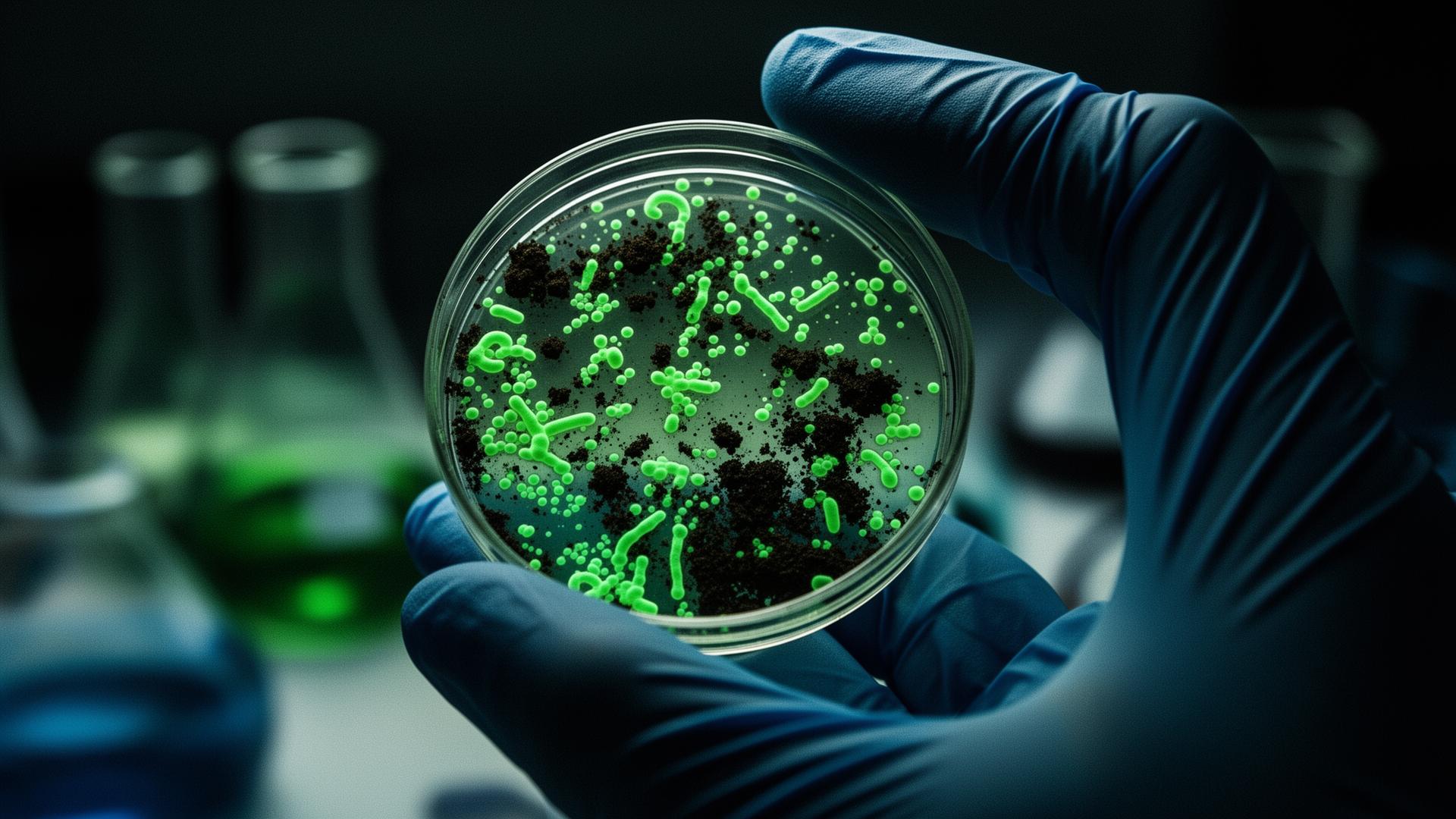
For nearly a century, industrial agriculture has rested on a Haber-Bosch foundation — pulling inert nitrogen out of the atmosphere with brute thermodynamic force and pressing it into ammonia at temperatures hot enough to melt aluminum. The process feeds roughly half the world's population, and it also accounts for an estimated 1.8% of global carbon emissions. A coalition of biotech firms now believes that math is about to invert.
Pivot Bio's PROVEN 40, Ginkgo Bioworks' recently spun-out agricultural unit, and a quieter European consortium centered in Wageningen have spent the last 36 months running multi-state field trials on CRISPR-edited diazotrophs — bacteria that colonize the root zone and fix atmospheric nitrogen directly at the plant's doorstep. The 2025 harvest data, reviewed by We Live Organic across 11 trial sites in Iowa, Illinois, and Nebraska, suggests yield parity with conventional anhydrous ammonia at roughly 38% lower per-acre input cost.
Premium Subscription Required
Continue reading. Join the readers shaping the next decade of organic.
- ✓ Unlimited access to investigations & long reads
- ✓ Weekly Audio Companion edition
- ✓ Organic Index live data & downloadable models
- ✓ Editor's policy briefings, twice weekly
$32/mo
Or $288/year · save 25%
Already a subscriber? Sign in