Analysis · Regenerative Agriculture
The Carbon Math of Regenerative Grazing, Finally Audited
Three independent soil-carbon verification programs released 2026 data this month. The picture is more complicated — and more promising — than either side wanted.
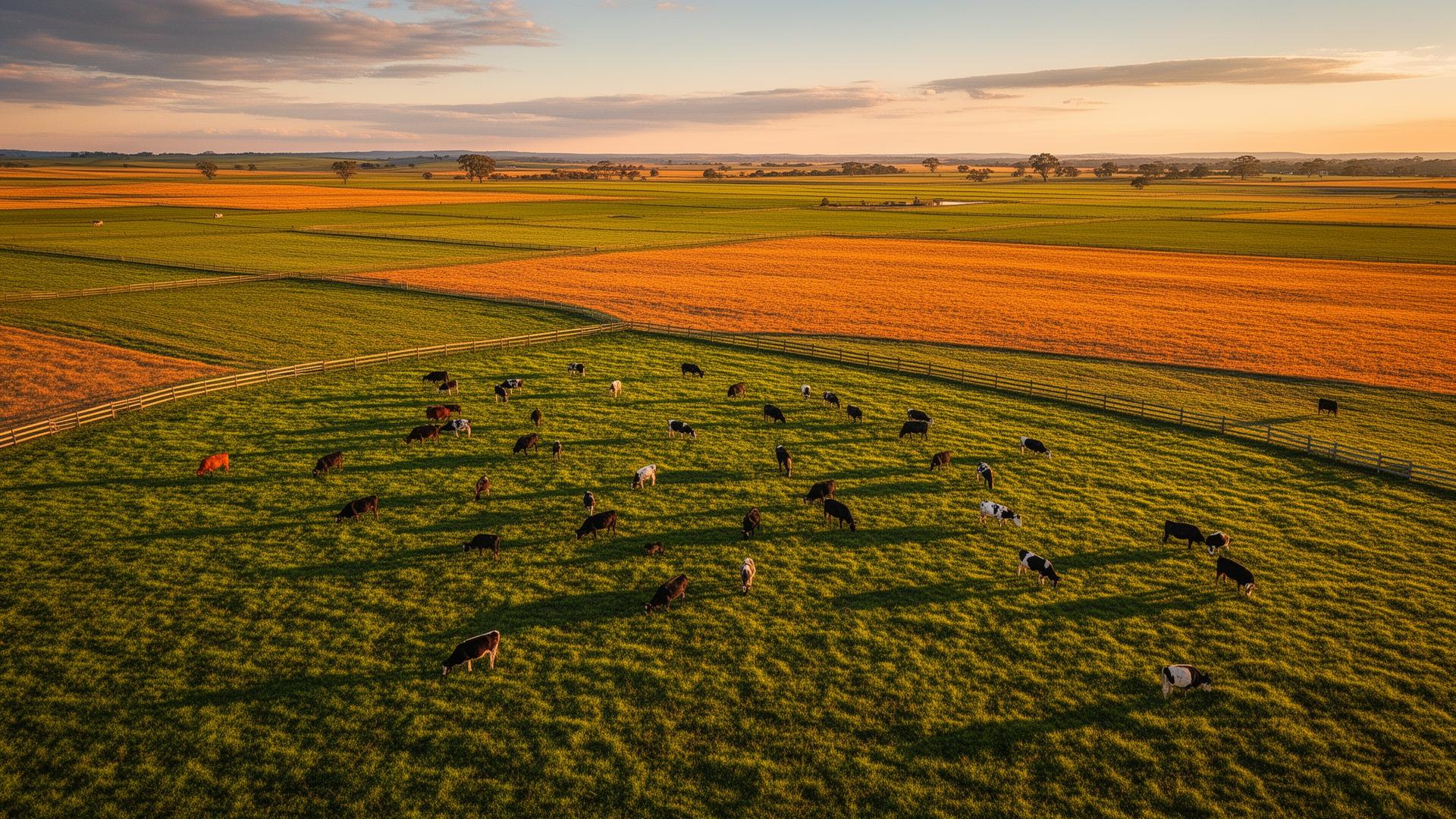
The regenerative grazing debate has, for the better part of a decade, been a war of competing assertions. Allan Savory's claim that holistic planned grazing can reverse desertification and sequester planet-scale quantities of atmospheric carbon has been alternately canonized and dismissed, often by people who have never set foot on a working cattle operation. The 2026 verification data lets us, for the first time, move past assertion.
Three programs released audited soil-organic-carbon (SOC) deltas this spring: the TNC-affiliated Soil Carbon Initiative, Indigo Ag's Terraton, and the Australian Carbon Credits Scheme's grazing methodology. Aggregated across 1,847 enrolled operations on three continents, the median measured SOC increase over a five-year baseline-to-verification window came in at 0.34 tonnes of carbon per hectare per year. That is meaningfully positive — and meaningfully smaller than Savory's most aggressive claims.
The honest read is that regenerative grazing is a genuine, durable, measurable carbon sink — but it is not a silver bullet. At 0.34 tC/ha/yr, the global ruminant grazing footprint of roughly 3.4 billion hectares could plausibly sequester on the order of 1.2 GtC annually under universal adoption. That is significant. It is also a small fraction of the 10+ GtC of annual fossil emissions.
What changes the calculus, the verification programs found, is co-benefits. Operations that hit the SOC sequestration thresholds also showed median reductions of 38% in supplemental feed inputs, 22% in veterinary expenditure, and a remarkable 61% in irrigation water use on the operations where any irrigation existed at baseline. Carbon, on a per-operation basis, was rarely the most economically meaningful outcome.
The certification economics remain genuinely difficult. SOC measurement requires deep soil cores, lab analysis, and statistical modeling that costs between $8 and $14 per acre per verification cycle. For an operation running at $30 to $80 per acre in net margin, verification overhead consumes a meaningful chunk of the carbon revenue itself — a tension the three programs are addressing with varying degrees of methodological aggressiveness.
The policy implication is clearer than the science suggested it would be five years ago: regenerative grazing belongs in the toolbox. Not as the toolbox, and not as a substitute for fossil decarbonization, but as a high-co-benefit, moderate-carbon land-management practice that demonstrably improves the economics of the operations adopting it. That is a less exciting story than either side has been telling, and it is the one the data actually supports.