Evidence Review · Nutrition Science
The Seed Oil Discourse, Run Against the Evidence
A decade of meta-analyses on linoleic acid, omega-6 inflammation, and cardiovascular endpoints — read end to end.
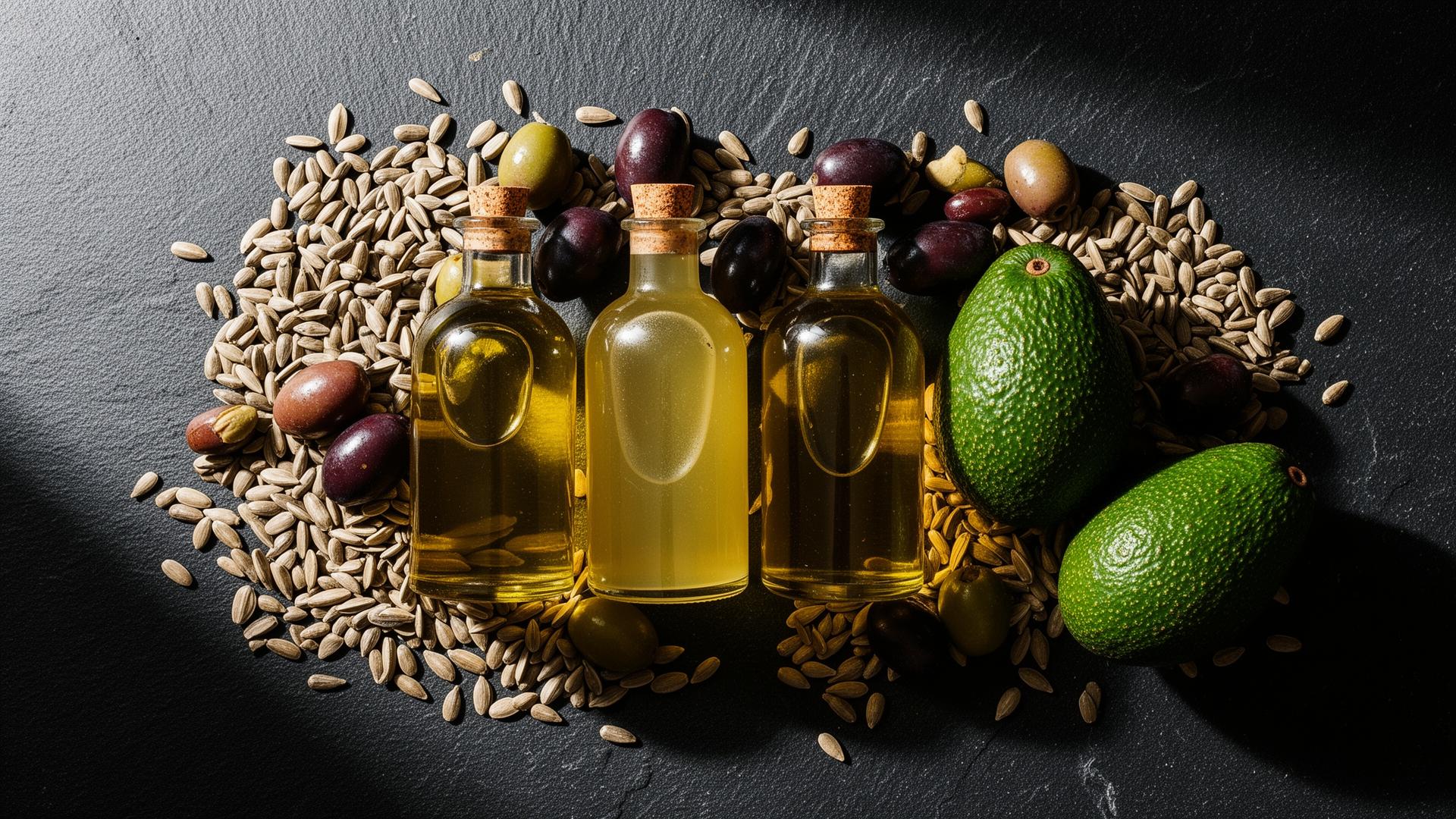
Few topics in popular nutrition have generated as much heat per unit of light as the seed oil debate. The proposition — that industrially refined oils high in linoleic acid (soybean, corn, canola, cottonseed, safflower, sunflower) are a major driver of chronic disease — has migrated from fringe forums into the offices of cabinet-level officials. The published evidence, read carefully, is messier than either the defenders or the skeptics admit.
Start with what is well-established. Linoleic acid is an essential fatty acid; the human body cannot synthesize it and requires dietary intake on the order of 2 to 4 grams per day to avoid deficiency. Average American intake currently sits between 17 and 22 grams per day, a roughly sixfold increase from the 1909 baseline that Stephan Guyenet and others have documented in detail. That much is not controversial.
Premium Subscription Required
Continue reading. Join the readers shaping the next decade of organic.
- ✓ Unlimited access to investigations & long reads
- ✓ Weekly Audio Companion edition
- ✓ Organic Index live data & downloadable models
- ✓ Editor's policy briefings, twice weekly
$32/mo
Or $288/year · save 25%
Already a subscriber? Sign in